I no longer think rhythm game focus works because a game magically improves attention. It works only when the session is short, the goal is narrow, and you write down what pulled your mind away. That became obvious while I tested quick browser rounds on December 9, 2025 and noticed how fast my attention broke the moment I started thinking about score, tabs, and messages at the same time.
What helped was not "more gaming." What helped was a fixed routine: one warm-up round, one pressure round, one note-taking pause, and a hard stop. The structure mattered more than the game title.
Rhythm game focus: what the routine should actually train
- Stay on one narrow task for a fixed window.
- Notice the first distraction instead of pretending it did not happen.
- Recover after a mistake without opening another tab or restarting in anger.
When I used the browser board as a focus drill, the best sessions were the boring ones. I started, followed one rule, and finished on time. The worst sessions were the ones where I checked score too early or tried to multitask music, chat, and play.
A 20-minute routine that felt realistic
- Two minutes of setup: silence notifications, full screen the board, decide the one thing you are practicing.
- Six minutes of easy or medium rhythm play.
- Six minutes of a slightly harder block where you only care about staying calm after a miss.
- Four minutes of writing what broke your attention.
- Two minutes away from the screen before starting homework or another task.
This is the part many guides skip: the reflection block is what turns a game session into a focus session.
What helped my attention and what clearly did not
What helped:
- one active browser tab
- sound on, but nothing else playing
- a visible stop time before the session started
- a single board or song instead of constant switching
What did not help:
- chasing personal-best numbers in the middle of a focus block
- playing when I was already restless
- trying to extend the session because I "almost had one more good run"
How to transfer the result to real work
The browser round should end before the energy turns messy. Right after the session, move into one homework block, reading task, or writing sprint. That transition is where the habit becomes useful.
My own tests felt best when the game acted like a warm-up, not the main event. Once I treated it like the whole evening, the attention benefit vanished.
My Take — December 9, 2025 browser checks
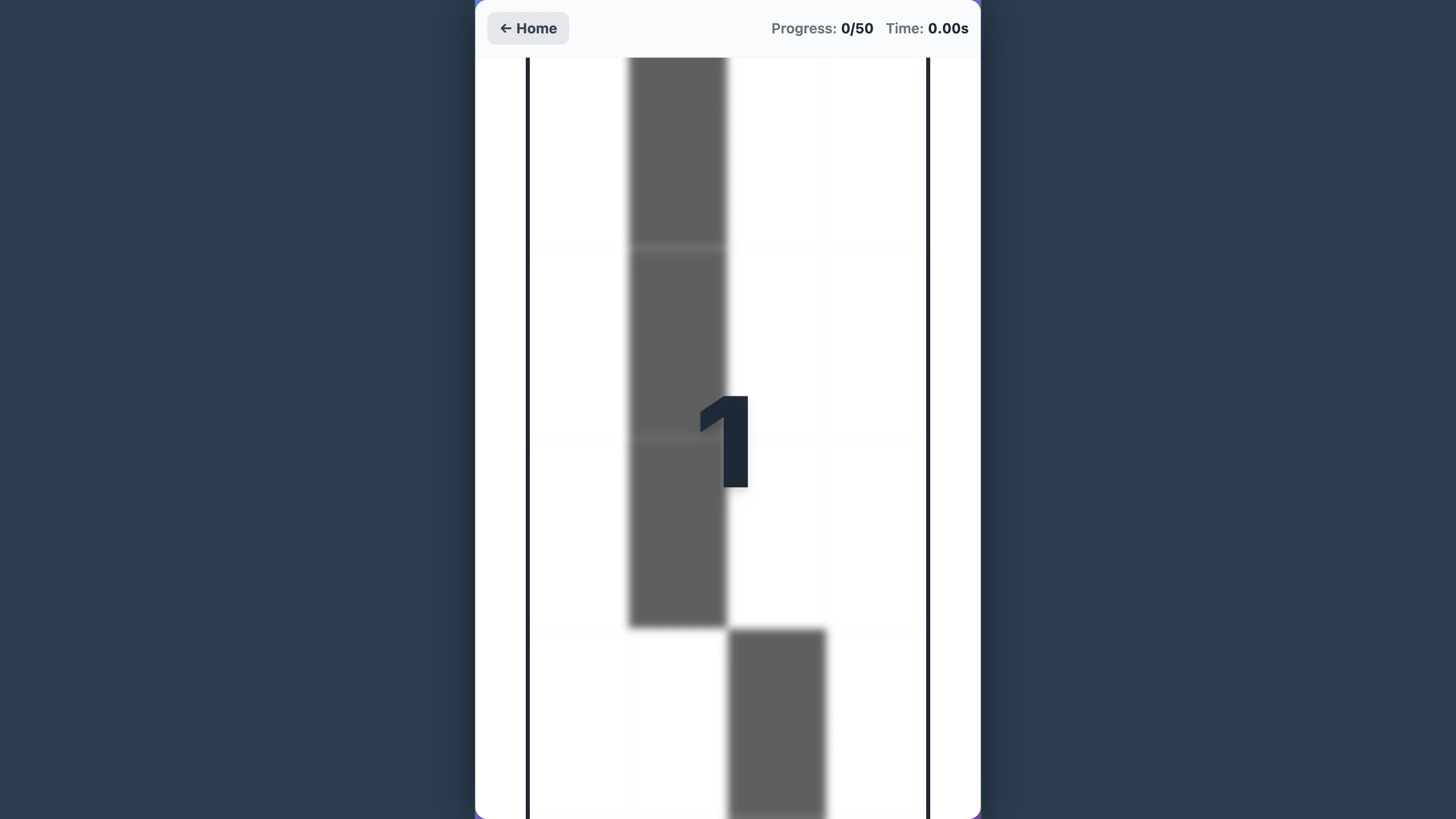
I used a timer and treated the session like a real routine instead of a vague study break. My cleanest block was 20 minutes on desktop Chrome: two minutes to silence notifications and choose one board, six minutes of easy rhythm play, six minutes of slightly harder repeats, four minutes of written notes, and a final two-minute walk away from the screen. The structure mattered more than the score. Once the timer was visible, I stopped turning every decent run into an excuse for five more runs.
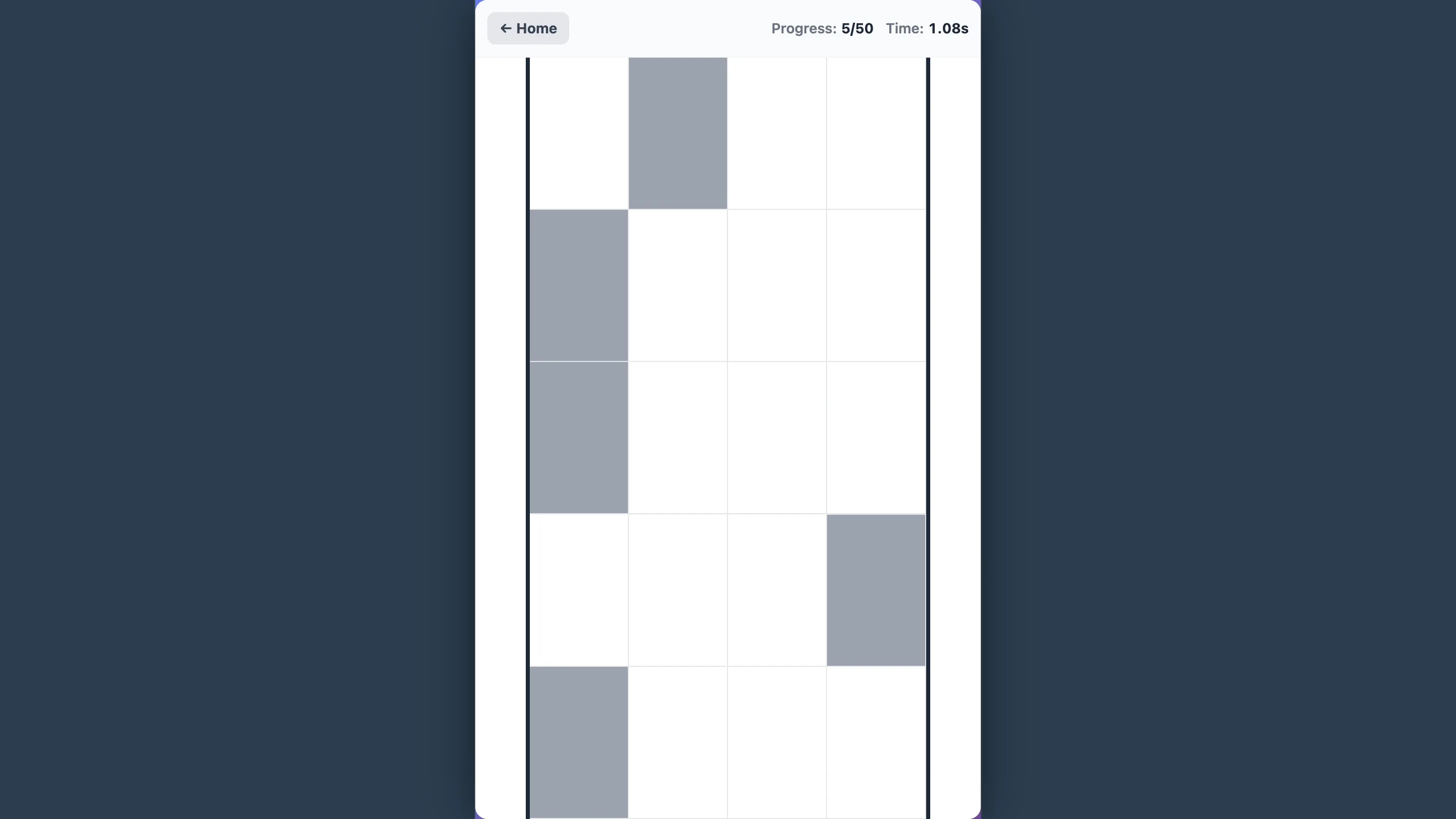
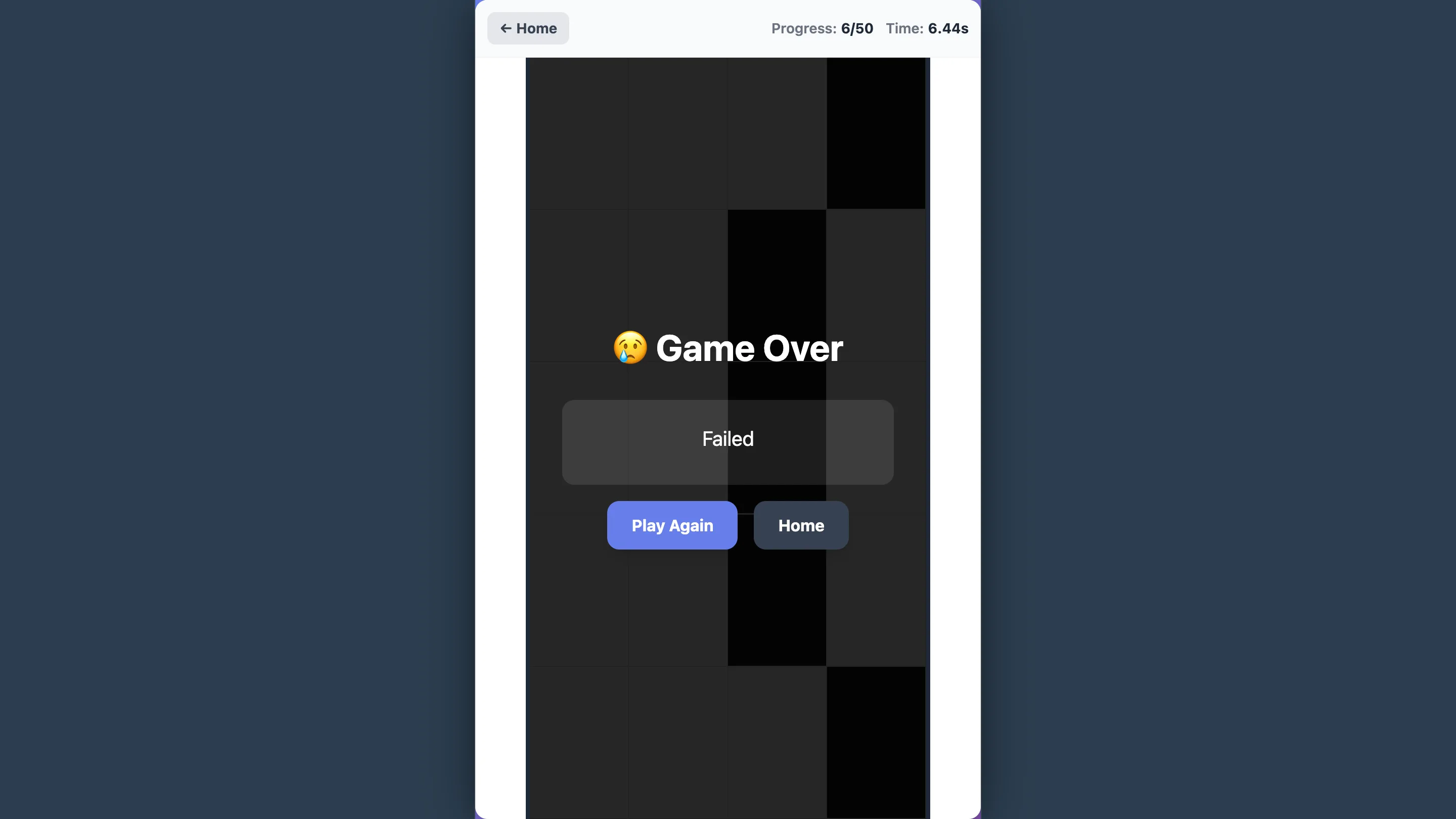
The interesting part was how early my attention started to wobble. The short board still felt useful when I was hitting 5/50 in about 1.08 seconds and tracking only the next tile, but around minute 16 I caught myself checking the clock, wondering about other tabs, and thinking about whether the run would look good enough to keep. That was the exact moment the drill stopped training attention and started feeding restless screen behavior.
That is why my rhythm game focus rule is now very narrow: one tab, one timer, one written note, then stop. If the session does not transfer cleanly into reading, writing, or school work right after the game closes, it was probably not a focus session at all.